
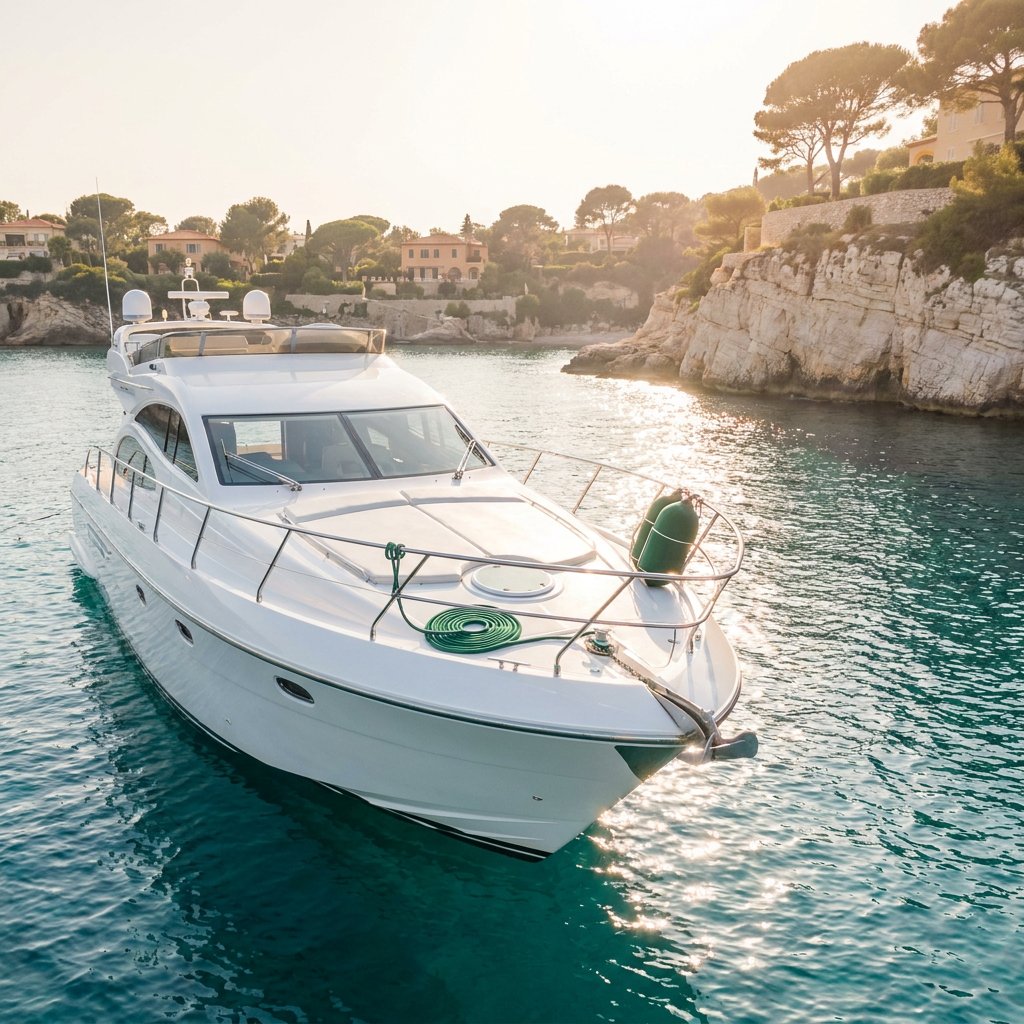
The short answer is: yes, in some maritime traditions, green was regarded as an unlucky colour at sea, but the origins vary by region and period. It was often intertwined with other beliefs, such as the idea that a boat should not be painted green or that certain colours symbolised rough seas, illness or misfortune.
Where does the superstition about green come from?
There is no single official origin for the superstition surrounding the colour green on a boat. As with many sailors’ tales, it is more a collection of traditions than a fixed rule. Nevertheless, a few explanations keep cropping up.
- Link to dangerous sea conditions: green was sometimes associated with rough waves, deep water, seaweed, stormy waters or an unpredictable sea.
- Poor visibility and recognisability: in earlier times, green colours on certain ships or equipment could be less visible against the backdrop of water and the coast, which was considered practically disadvantageous and later took on a superstitious connotation.
- Folklore and symbolism: in some communities, green represented not only nature and growth, but also capriciousness, illness or something that could not be trusted. At sea, such symbols took on added significance.
- Intermingling with other taboos: the ban on wearing green sometimes coincided with the belief that a ship itself must not be green, meaning that clothing, paint and decoration were all encompassed within a single tradition.
Precisely because this is a matter of folklore, several versions exist side by side. This also explains why, whilst you will often find references to the colour green online, you will rarely find a definitive historical source.
Is it green clothing or a green boat?
That distinction is important. Many maritime traditions refer to not painting a boat green rather than explicitly stating that one should not wear green clothing. Over time, this has often been interpreted more broadly in popular understanding: no green on board, meaning no green jacket, jumper or cap either.
Anyone searching for ‘superstition about wearing green on a boat’ is therefore usually referring to green clothing. Historically, this link is plausible, but not always clearly documented. It is therefore better to say that green clothing was seen in some traditions as part of a broader aversion to the colour green at sea, rather than to pretend that there was a strict rule about it everywhere. Are you unsure about what to wear on board? Take a look at our clothing tips for on board.
Is wearing green on a boat still a real rule these days?
No. In modern recreational boating, the sailing world and luxury yacht charter, this is not a practical rule and certainly does not ensure the safety of guests on board. It is primarily a cultural remnant of maritime folklore.
That does not mean the subject has disappeared entirely. Some skippers and crews cherish traditions and still observe such beliefs in a light-hearted or symbolic way. Just like other nautical superstitions, it can be part of the atmosphere, the stories told on board and the respect for centuries-old maritime customs.
Most people therefore take a sensible approach: wearing green on a boat is not a problem, unless you are on board with someone who is very traditional and you wish to be mindful of that. If you want to be well prepared for your trip, use our packing list for a superyacht charter.
Why does this superstition remain so well known?
Maritime superstitions persist because sailing has always been associated with uncertainty. When wind, visibility, currents and sea conditions can change suddenly, colours, rituals and customs take on greater significance. Green is a good example of this: it is an ordinary colour on land, but at sea it has taken on a different significance in some traditions.
Moreover, superstitions on a boat often take root through repetition. If, following an accident, a failed voyage or a difficult crossing, a crew looked back on what had been different from the norm, a detail such as a colour could develop into a firm belief. This is how maritime rules arise that are based more on experience and anecdote than on evidence.
Is this something you need to bear in mind on board?
This is purely a social custom, not a nautical one. If you’re sailing with people who are attached to traditional seafaring customs, it may be a good idea to respect them. You can read more about this in our on-board etiquette guide.
In modern yachting, the focus is more on comfort, weather conditions and the atmosphere of your trip than on old superstitions. Think of suitable, non-marking shoes and functional fabrics; if you’re unsure about footwear, read more about high heels on a yacht.
FAQ
What does wearing green on a boat mean?
In maritime superstition, green was regarded in some traditions as an unlucky colour. This could apply to clothing, paint or the general presence of green on board. There is no universal nautical meaning that is the same everywhere.
What brings good luck on board a boat?
In ancient maritime traditions, certain rituals, symbols and animals, amongst other things, were regarded as auspicious. This varies greatly from country to country and from one era to another. These are cultural customs, not modern sailing rules.
What brings good luck at sea?
Historically, seafarers believed that words, actions and symbols could influence the safety of a voyage. Nowadays, such ideas are mainly regarded as folklore, rather than as a practical way of bringing good luck.
What is the superstition surrounding green sailors?
This expression is not used in the same way everywhere. Usually, it does not refer to inexperienced sailors, but to the broader notion that wearing green at sea is said to bring bad luck. The context therefore determines what is meant by it, just as what you’d be better off not taking on board depends on practical customs and preferences on board.
